Introduction to Best Digital Marketer
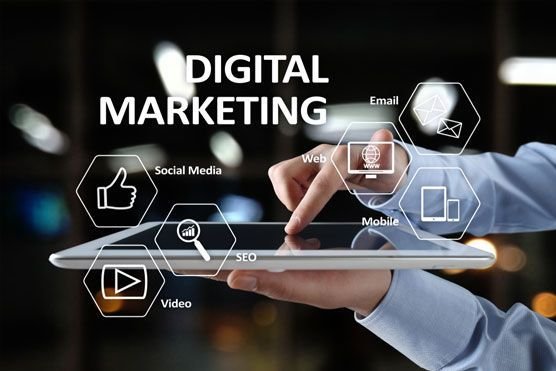
Digital marketing has become an essential component for businesses aiming to thrive in an increasingly online-driven world. It encompasses a variety of strategies and techniques designed to promote products and services through digital channels, such as search engines, social media platforms, email, and websites. For businesses in competitive markets, having a skilled digital marketer can make all the difference in reaching and engaging the right audience.
Unlike traditional marketing, digital marketing allows for precise targeting and real-time performance tracking. This means businesses can refine their campaigns to maximize effectiveness and reduce unnecessary spending. From crafting compelling ad campaigns to managing a brand’s online reputation, a digital marketer’s responsibilities are both diverse and impactful.
One of the key aspects of digital marketing is staying updated with the latest tools and trends. Platforms like Google, Facebook, and Instagram frequently introduce new features, algorithms, and guidelines that can significantly impact marketing efforts. Digital marketers must be proactive in learning and adapting to these changes to remain competitive.
Another important element of digital marketing is understanding the audience’s preferences and behaviors. Through data analysis, marketers can uncover valuable insights into what works and what doesn’t, allowing them to create more meaningful and engaging experiences for their target audience. This constant evolution makes digital marketing an exciting and rewarding field for those who pursue it.
Essential Skills for Digital Marketers
To excel in digital marketing, professionals need to develop a range of technical and creative skills. A strong grasp of search engine optimization (SEO) is fundamental, as it helps businesses improve their online visibility and attract valuable traffic. Understanding keyword research, optimizing website content, and staying updated on algorithm changes are crucial components of SEO expertise.
Content creation is another essential skill, as high-quality, engaging content plays a key role in capturing attention and building relationships with audiences. Digital marketers must know how to tailor content to different platforms, ensuring it resonates with their target demographics.
Social media expertise is equally important in this field. Each platform has its own set of tools, trends, and audience preferences, and knowing how to strategically manage campaigns across these channels is vital for driving brand awareness and engagement.
Data analysis also ranks high on the list of necessary skills. Interpreting metrics from campaigns allows marketers to identify what’s working and where adjustments are needed. Proficiency with analytics tools can help uncover patterns, enabling better decision-making and more effective strategies.
Finally, digital marketers must stay adaptable and innovative. As new technologies and marketing tools emerge, the ability to quickly learn and implement them is key to remaining competitive in this fast-paced industry.
Trends in Digital Marketing
Digital marketing continues to adapt as technology and consumer behaviors evolve. One emerging trend is the growing reliance on automation tools, which allow marketers to streamline repetitive tasks like email campaigns, ad placements, and customer segmentation. These tools free up time for creative and strategic planning, helping marketers achieve better results with fewer resources.
The rise of video content also shapes the digital marketing landscape. Short-form videos, in particular, have gained massive popularity on platforms such as TikTok, Instagram Reels, and YouTube Shorts. Marketers are now focusing on creating concise, engaging videos that quickly capture attention while effectively communicating brand messages.
Voice search optimization is another area gaining traction. With the increasing use of smart speakers and voice-activated assistants, marketers are refining their strategies to ensure their content is discoverable through voice queries. This involves adjusting keyword research and focusing on natural language patterns.
Sustainability and social responsibility have also started influencing marketing strategies. Consumers are showing more interest in brands that align with their values, prompting marketers to incorporate meaningful messaging and practices that reflect ethical commitments. These trends are shaping how businesses connect with their audiences in the digital space.
Challenges Faced by Digital Marketers
Digital marketers often face difficulties in effectively managing the ever-expanding number of digital channels. Each platform comes with its own algorithms, audience behaviors, and content formats, requiring marketers to invest significant time and effort to tailor strategies for each. Balancing these tasks while maintaining consistent brand messaging can be particularly demanding.
Another challenge lies in the increased competition for online visibility. With countless businesses vying for attention, standing out requires innovative approaches and a deep understanding of audience preferences. Paid advertising costs have also risen, making it critical for marketers to allocate budgets wisely and maximize return on investment.
Data privacy regulations present additional hurdles. As governments introduce stricter policies to protect user data, marketers must ensure compliance while still gathering enough information to deliver personalized campaigns. Striking this balance without crossing ethical or legal boundaries can be a complex task.
Consumer expectations continue to evolve rapidly, making it necessary for marketers to anticipate changing preferences and provide engaging, relevant experiences. This includes addressing feedback and managing public perception, as customers now have platforms to voice their opinions widely and instantly. Adapting to these challenges requires creativity, resourcefulness, and a willingness to continuously refine strategies to stay aligned with shifting demands.
Future of Digital Marketing
- The future of digital marketing promises exciting advancements driven by technological innovation and shifting consumer priorities. Personalization will play a bigger role, with artificial intelligence (AI) enabling marketers to deliver highly tailored content and experiences. Predictive analytics will also allow businesses to anticipate customer needs, fostering stronger connections and improving satisfaction.
- The integration of emerging technologies, such as AI-powered chatbots and machine learning algorithms, will further streamline customer interactions and automate routine tasks. These tools can enhance efficiency while maintaining a human touch in brand communication.
- Interactive content is set to gain traction as businesses explore new ways to engage users. Features like polls, quizzes, and virtual try-ons provide immersive experiences that capture attention and drive conversions. Additionally, as the digital landscape becomes more saturated, brands will need to focus on fostering genuine connections by emphasizing authenticity and storytelling.
- Evolving global concerns, including sustainability, are likely to push businesses toward environmentally-conscious marketing efforts. Marketers will need to innovate while aligning strategies with values that resonate with their audience. As new technologies and priorities emerge, the digital marketing landscape will continue evolving, offering endless opportunities for creativity and growth.