From Unknown to Unforgettable: How to Build a Powerful Personal Brand Using Best Digital Marketing
I. Understanding What a Personal Brand Really Means in the Digital Age
A. The Difference Between a Personal Brand and a Professional Reputation
A lot of people use the words “brand” and “reputation” as if they mean the same thing. They do not, and understanding the difference is one of the most important things you can do before investing any time or energy into building a presence online.
How a personal brand goes beyond job titles and credentials
Imagine two people with almost identical resumes applying for the same opportunity. Same education, same number of years in the field, similar results. One of them gets the call immediately, while the other hears nothing back.
The difference? One of them had a personal brand that made them easy to find, easy to trust, and easy to say yes to. By using the best digital marketing strategies to build an online presence, share valuable content, and showcase expertise, they stood out from the competition and created lasting credibility with employers and clients alike.
This is not a fantasy scenario. It plays out every single day in hiring decisions, client choices, speaking invitations, and business partnerships. People are not just evaluating your credentials anymore. They are searching your name online, reading your posts, watching how you show up, and forming an opinion before they ever speak to you directly.
The good news is that this shift works in your favor if you approach it with intention. You do not need a publicist, a marketing budget, or thousands of followers to start. You need a clear sense of who you are, who you want to reach, and a consistent plan for showing up in front of them.
This guide walks you through every stage of that process, from understanding what a personal brand actually means to protecting it as it grows. Whether you are starting from zero or looking to sharpen what you have already built, there is something here for where you are right now.
.
Why perception, consistency, and intention separate branding from reputation
A personal brand lives in the minds of the people who encounter you. That means perception matters enormously. You may be incredibly skilled, but if the way you present yourself online does not match that skill level, people will not immediately know it.
Consistency is what turns individual impressions into a lasting image. When someone sees your name and immediately knows what to expect from you, whether that is a particular tone, a set of topics, a visual style, or a way of thinking, that is when your brand starts working for you automatically.
Intention is what makes it deliberate. Instead of hoping people form the right impression, you are making choices about how to present yourself, what to share, and how to be seen.
Real-world examples of individuals who built recognizable personal brands
Consider someone like Brené Brown. She is a researcher and professor, but her personal brand is built around vulnerability, courage, and honest conversation. She has written books, given
TED Talks, hosted podcasts, and built an audience of millions. Her academic credentials are real, but her brand is what made those credentials reach people far beyond academia.
Or think about Neil Patel, a digital marketing professional who built his personal brand by giving away detailed, practical advice consistently over many years through blog posts, videos, and free tools. He did not start famous. He became recognizable by showing up, adding value, and staying focused on a specific topic.
Both of these individuals had something specific to say, said it consistently, and built a presence around it intentionally.
B. Why Digital Marketing Has Changed the Rules of Personal Branding
Before the internet made everything accessible and searchable, personal branding mostly happened through in-person networking, speaking engagements, published books, and media coverage. Those paths still exist and still matter, but they are no longer the only ways in, and they are certainly no longer the fastest.
The shift from traditional networking to online visibility
In the past, building a name for yourself in a field took decades of in-person relationship building.
You needed to attend the right conferences, get introduced to the right people, and slowly earn
visibility through physical presence and referrals.
Digital marketing has changed that timeline dramatically. Today, someone with no industry connections
can start sharing what they know online, build a following of people who care about that topic, and
create real opportunities for themselves within one to two years. The playing field is not perfectly level,
but it is far more open than it used to be.
How social media, content, and search engines now shape first impressions
Most first impressions now happen before any live conversation takes place. Someone
hears your name, types it into a search engine, and forms an opinion within the first few minutes
of what they find.
If your name returns nothing, that absence tells a story. If it returns a professional website,
thoughtful articles, a LinkedIn profile with a clear message, and some social proof in the form of
recommendations or media mentions, that tells a very different story.
Social media gives you a regular channel to show your thinking, connect with others, and stay
visible to people who might never have found you through traditional networking alone. Search
engines reward consistency and relevance over time, so the content you publish today can still be
bringing people to your name three or four years from now.
The opportunity digital platforms offer to people at every career stage
One of the most powerful things about building a personal brand through digital marketing
is that it does not require seniority or an established reputation to begin. Someone fresh out
of university can start documenting what they are learning, sharing their honest observations,
and building an audience of people who are interested in that journey.
C. Identifying What Makes Your Personal Brand Worth Building
Before you write a single post or update a single profile, there is internal work to do.
This is the step most people skip because they are eager to get visible quickly.
Skipping it is exactly what leads to scattered, inconsistent brands that fail to attract the right people.
How to define what you want to be known for before going public
Being known for something specific is far more useful than being known as someone
who knows a lot about a lot of things. Generalist brands are much harder to build and
much easier to forget.
Try finishing this sentence clearly and honestly: “I help [specific type of person] do
[specific thing] by [specific approach or method].” If you cannot finish that sentence
without vague filler words, you are not ready to go public yet, and that is fine. Take
the time to get it right before you start building in public.
Clarity about what you want to be known for is not a limitation. It is the single thing that
makes everything else about building a brand easier and more effective.
II. Laying the Foundation: Defining Your Brand Strategy Before You Post Anything
A. Choosing Your Niche and Target Audience
One of the most common mistakes people make when building a personal brand is trying to speak to everyone. The result is content that feels generic, an audience that never fully connects, and a brand that fails to grow despite consistent effort.
Why trying to appeal to everyone weakens your brand message
When your message is designed to be relevant to every possible person, it ends up being deeply relevant to almost no one. People follow, engage with, and share content that feels like it was written specifically for them. That feeling of “this person gets exactly what I am dealing with” only happens when you have narrowed your focus enough to speak in very specific terms.
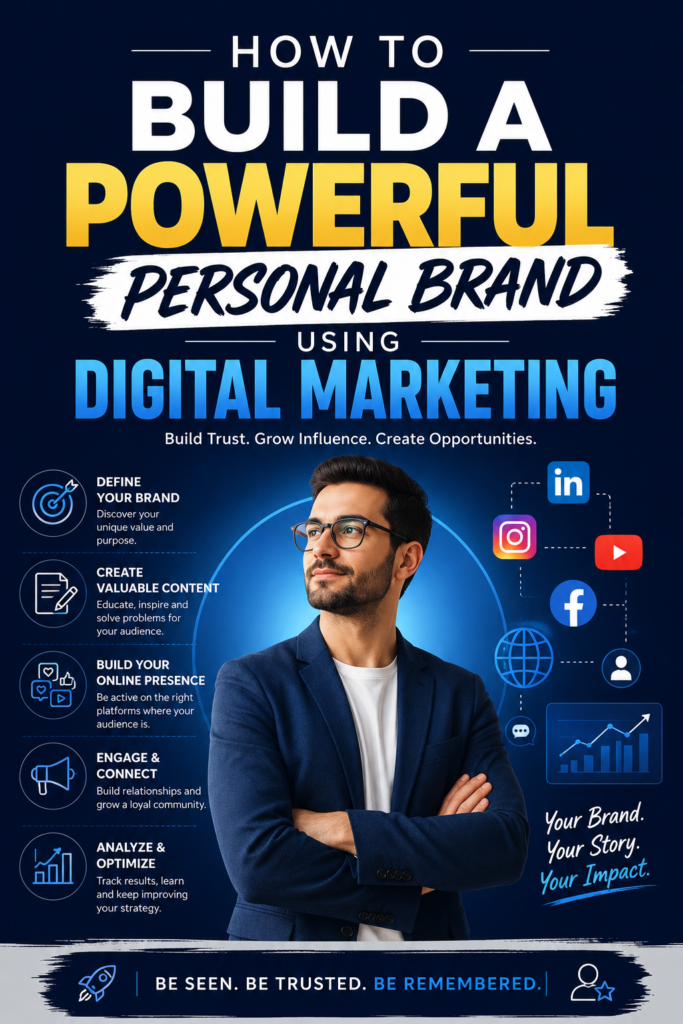
Step-by-step process for narrowing down your specific audience
From there, look for communities where those people already gather. Reddit threads, LinkedIn groups, Facebook communities, industry forums, and comment sections on popular content in your space are all places where your target audience is already talking. Spend time reading what they say before you start speaking. The language they use, the questions they ask, and the frustrations they express are a direct map to what your content should address.
How to research your audience's needs, questions, and preferences
Tools like Google’s autocomplete, the “People Also Ask” feature in search results, and platforms like AnswerThePublic or Quora give you a window into what real people are searching for and asking about in your topic area. These are not just content idea generators. They are evidence of what your audience actually cares about, expressed in their own words.
Reading reviews on books in your field, listening to what podcast guests say they get asked most often, and paying close attention to which posts in your topic area get the most comments and shares will all tell you more about your audience than any paid research tool.
B. Crafting Your Brand Message and Value Proposition
Once you know who you are talking to and what they need, the next step is developing a clear message that communicates who you are, what you offer, and why it matters. This message should feel simple and direct, not polished to the point of sounding like a corporate tagline.
Writing a clear personal brand statement that resonates with your audience
A personal brand statement is a short description of who you are, who you serve, and what you help them with. It is not a bio. It is not a mission statement. It is the clearest, most honest answer to the question “what do you do?”
For example: “I help first-generation professionals navigate corporate culture so they can advance without losing themselves in the process.” That sentence says exactly who the audience is, what the problem is, and what the person offers. It is easy to understand, easy to remember, and immediately tells you whether you are the right person for this brand or not.
How to communicate what you offer and why it matters in plain language
The temptation when writing about yourself is to reach for impressive-sounding language. Resist it. The most memorable personal brands communicate in the kind of language you would use over coffee with a friend, not the kind of language you would read in an annual report.
Aligning your message across all digital channels for consistency
This is where many people break down. They write a formal bio for their website, post casually on Instagram with no connection to their stated expertise, share professional updates on LinkedIn, and wonder why people cannot figure out what they are about. Consistency across channels does not mean saying the exact same thing in every place. It means that the underlying message, values, and voice remain recognizable everywhere.
III. Building Your Digital Presence Across the Right Platforms
A. Creating and Optimizing a Personal Website or Blog
If you only do one thing after reading this guide, make it this: build a personal website. Everything else you create online lives on platforms you do not own and cannot fully control. Your website is the one digital asset that belongs entirely to you.
Why a personal website is the most important digital asset you own
Social media platforms change their algorithms, reduce organic reach, get acquired by other companies, or simply fall out of favor with users. Email newsletters are second only to websites in terms of ownership and direct access to your audience. But a website is your home base online, the place where you control the full experience from design to message to what happens next for a visitor.
Key elements every personal brand website should include
A clear homepage headline that communicates what you do and for whom. An about page that tells your story in a way that connects to your audience’s needs, not just a list of your accomplishments. A blog or content section where your expertise is demonstrated through published work. A way for people to contact you or take a next step. And social proof in the form of testimonials, media mentions, or notable projects.
B. Choosing the Right Social Media Platforms for Your Brand
There is a significant temptation to try to be everywhere at once when you are building a digital presence. The reality is that spreading yourself across five or six platforms while producing mediocre content on each of them is far less effective than showing up consistently and thoughtfully on two or three platforms where your audience actually lives.
How to evaluate which platforms your target audience actually uses
Go back to the audience research you did earlier. Where are those people spending their time? A brand aimed at corporate professionals will find its audience primarily on LinkedIn. A brand built around visual creativity, lifestyle topics, or certain consumer products will have more impact on Instagram. A brand that addresses a younger audience with entertainment, education, or practical tips will find more traction on TikTok or YouTube.
Managing your time and energy by focusing on two or three platforms instead of all of them
If you are building a personal brand alongside a full-time job or other significant commitments, trying to maintain a meaningful presence on more than two or three platforms simultaneously is a recipe for burnout and inconsistency. Both of those outcomes are worse for your brand than simply choosing fewer platforms and doing them well.